Eggshell Membrane

Eggshell membrane supplements for dogs have gained popularity in recent years as a potential treatment for joint pain and inflammation. While there is some evidence to suggest that eggshell membrane supplements may be effective in reducing joint pain and inflammation in dogs, more research is needed to confirm their effectiveness. The eggshell membrane contains several […]
Omega-3 Fatty Acids
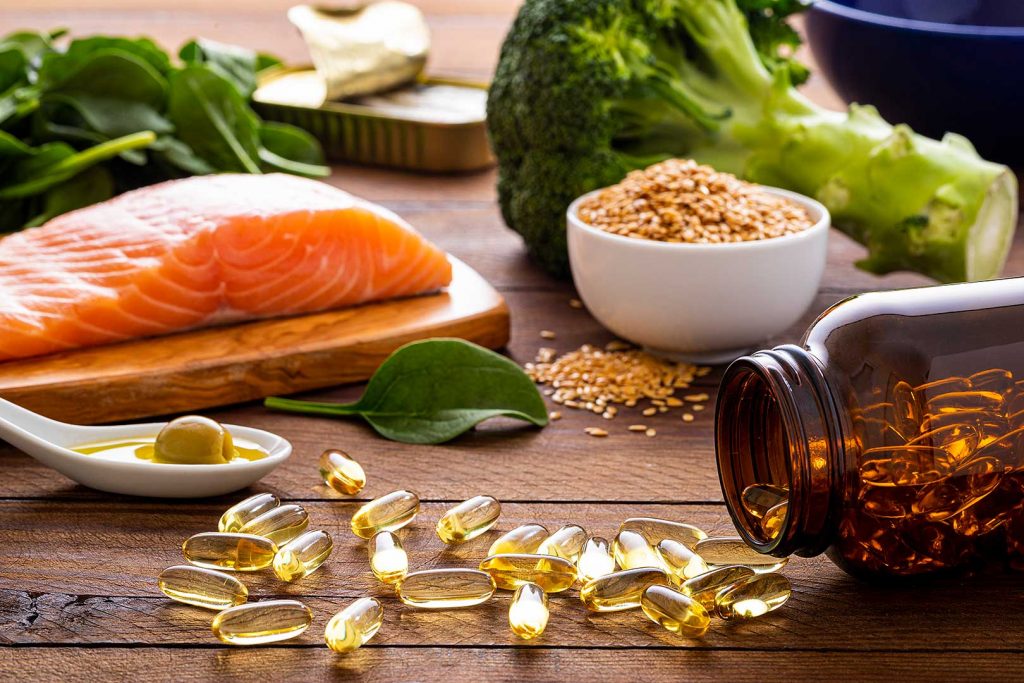
Omega-3 fatty acids can also be beneficial for dogs. They are often used to help manage a variety of health conditions in dogs, including skin and coat disorders, joint pain and inflammation, and certain types of cancer. Research has shown that omega-3 fatty acids can help reduce inflammation in dogs with arthritis, improving their mobility […]
Fenugreek
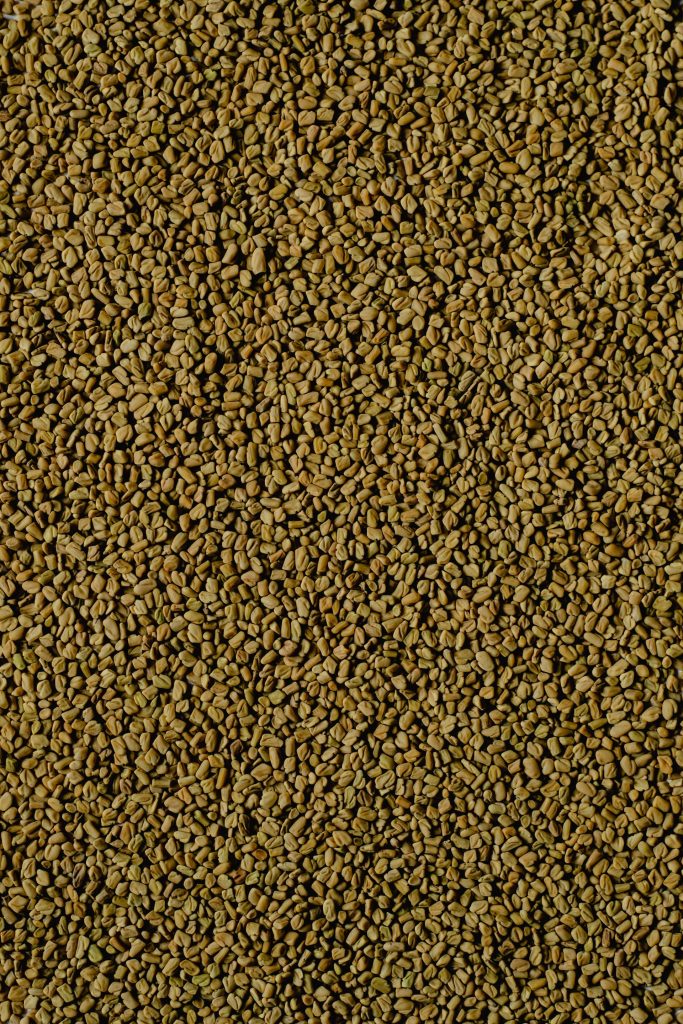
Fenugreek is an herb that has been used for centuries in traditional medicine to treat a variety of health conditions. In recent years, it has gained popularity as a natural supplement for dogs due to its potential health benefits. Fenugreek has been used in dogs to treat a variety of conditions, including: Fenugreek can be […]
Tumeric (Curcumin)

Turmeric is a popular spice that has been used for medicinal purposes in humans for centuries. It is also sometimes used in veterinary medicine, particularly in dogs. Turmeric contains an active ingredient called curcumin, which has anti-inflammatory, antioxidant, and antifungal properties. In dogs, turmeric has been used as a supplement to help manage a variety […]
St. John’s Wort

St. John’s wort is a herbal supplement derived from the plant Hypericum perforatum. It has traditionally been used to treat pain, but it is now also used to treat depression and anxiety disorders. This supplement may also have anti-inflammatory, antimicrobial, and wound healing properties. It is most commonly used in dogs and cats, in addition […]
Milk Thistle

Silymarin, also known as milk thistle, is a dietary supplement used to treat liver conditions, diseases, and toxicities in cats, dogs, birds, rabbits, horses, and other companion animals. It may also be effective in preventing certain cancers, reducing the side effects of chemotherapy, and protecting the kidneys. There have been few animal studies, but anecdotal […]
Vitamin E
Vitamin E can be found naturally in some commercially available pet foods, such as green leafy vegetables and plant oils such as coconut, hemp, olive, safflower, and others. Vitamin E can also be supplemented in pet foods. Tocopherols and tocotrienols are the two types of molecules that make up vitamin E. Tocopherols are more commonly […]
Vitamin D
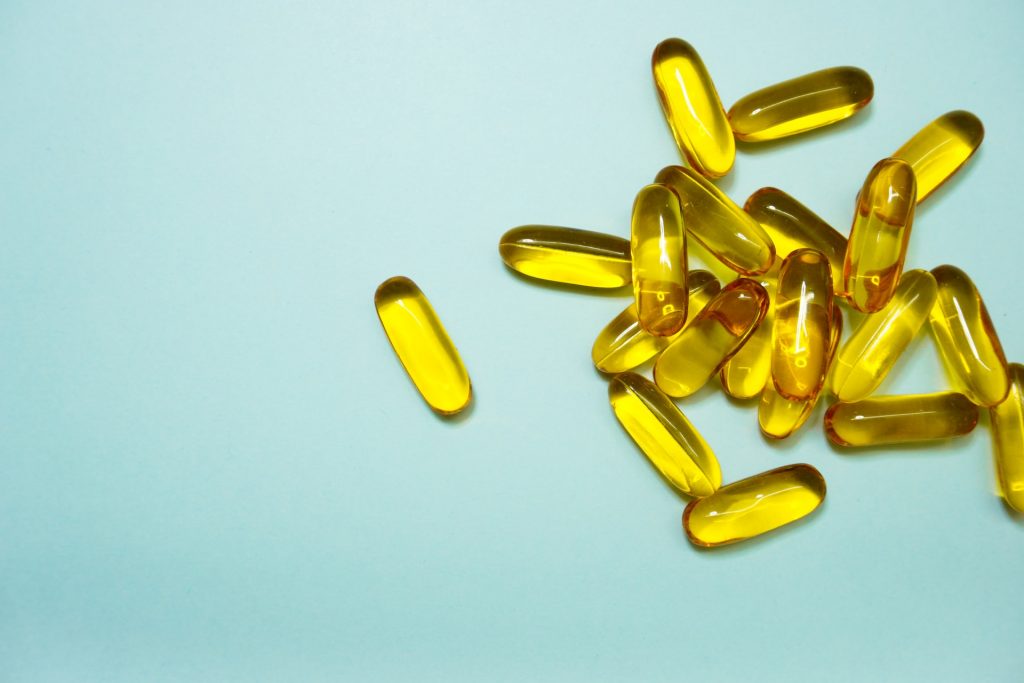
While dogs do convert some sunlight to vitamin D, they are not as efficient as humans or many other mammals. The majority of a dog’s (and cat’s) vitamin D should be obtained from their diet. Because dogs are primarily carnivores (though they can consume vegetable matter), they have evolved to get the majority of their […]
Vitamin C

Vitamin C is an important antioxidant. It scavenges potentially harmful free radicals in the body and can help reduce inflammation and cognitive aging. Dogs can actually synthesize vitamin C on their own in their livers, but in some cases supplementation may offer health benefits. Dogs, unlike humans, produce their own vitamin C through the liver; […]
Vitamin A (Carotendoids)
While a balanced diet usually suffices to meet a dog’s vitamin A requirements, some dogs require supplements for a variety of reasons. While dog-specific vitamins are available over-the-counter, due to the risk of Vitamin A poisoning, you should carefully follow Veterinary instructions. Your vet may want to run blood tests to see where your pup’s […]